
Special Needs Pediatric Dentist: A Guide to the First Visit
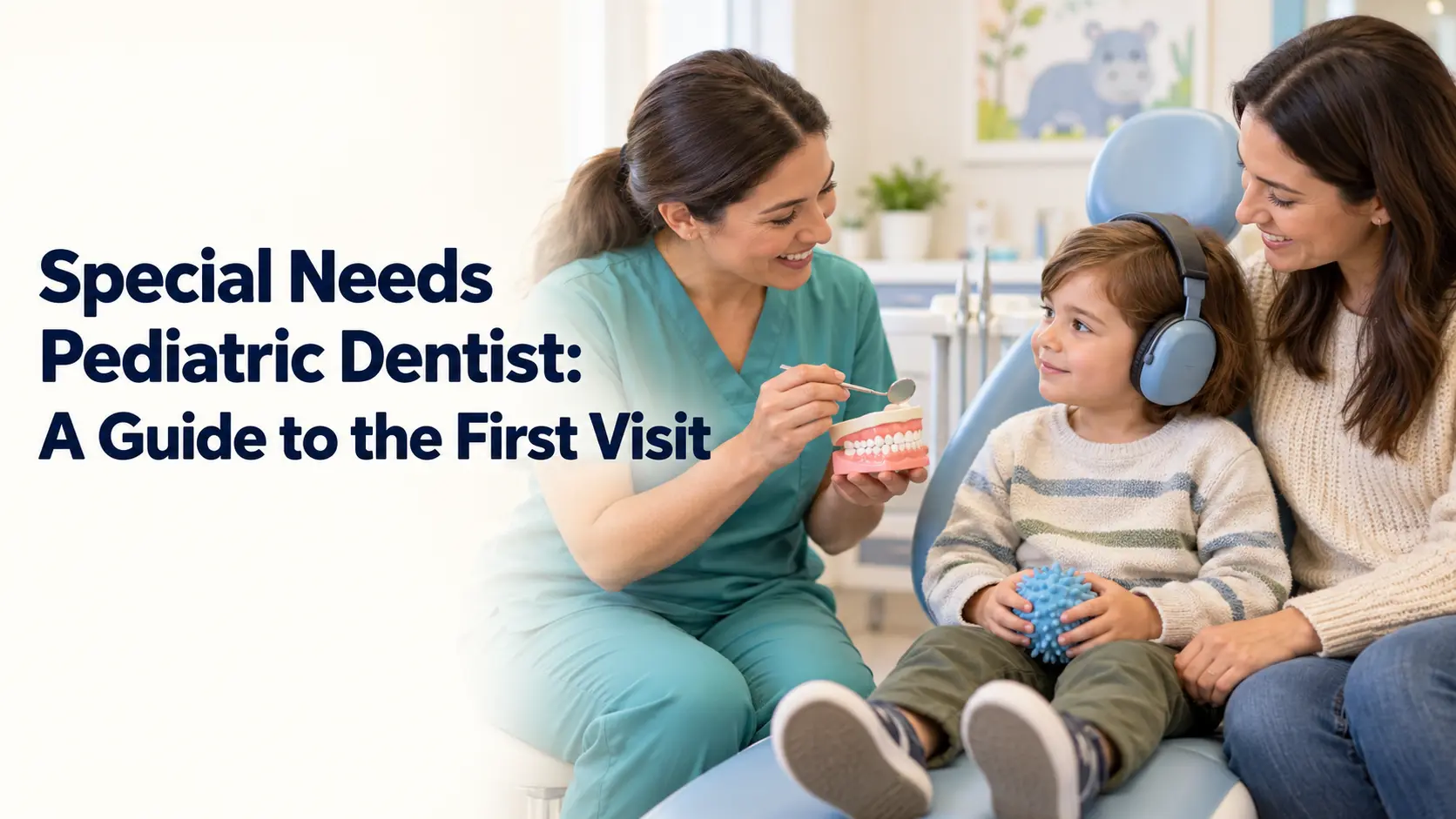
A first dental appointment can feel uncertain when your child is sensitive to sounds, dislikes changes, communicates differently, or becomes anxious in new places. You may wonder whether the dentist will understand.
A special needs pediatric dentist can adjust the pace, language, surroundings, and number of steps completed. The goal is to protect your child’s teeth while building trust for future care.
This guide explains how to choose the right office, prepare at home, and know what to expect.
Why A Special Needs Pediatric Dentist Helps
A regular dental visit often follows one routine. A visit for a child who needs extra support may use fewer words, demonstrate tools first, allow breaks, or complete only part of the exam.
This flexible approach is central to special needs pediatric dentistry. Good care is based on the child, not only a diagnosis. Children with similar needs may respond differently to light, sound, touch, waiting, or new people.
Questions For A Special Needs Dentist
Ask how the office prepares for children who need added support:
- Can I explain my child’s triggers beforehand?
- Is a short office tour available?
- Can we request a quieter time?
- May my child bring a comfort item?
- Can a parent remain nearby?
- What happens if my child needs to stop?
A sensory-friendly pediatric dentist should explain specific changes to lighting, waiting, communication, or chair position.
Home Preparation For Dental Visits
Make The Visit Predictable
Show your child pictures of a dental chair and explain the visit in a few steps: “First we meet the dentist. Next we count your teeth. Then we go home.”
Parents of younger children can review infant and toddler first visits to see how early appointments are introduced.
Practice Small Steps
Count your child’s teeth with a toothbrush. Practise opening the mouth for three seconds, sitting back slightly, or letting a flashlight shine near the face.
Agree that raising one hand means “stop.” An autism dentist for kids may use the same signal so the child can communicate easily.
Avoid saying “nothing will hurt.” Calmly describe what the child may see, hear, or feel.
Details A Pediatric Dentist Needs
Before the visit, share:
- How your child communicates
- Signs of fear or discomfort
- Sensitivity to light, noise, taste, smell, or touch
- Helpful words, routines, or objects
- Previous dental experiences
- Brushing difficulties
- Current medicines and important health information
Dr. Sana can use these details to guide the pace, communication, and order of the visit. Sharing them early also avoids a long discussion while your child is waiting.
First Special Needs Dental Visit Steps
Start With Familiarity
The first dental visit for a special needs child may begin with meeting the team, seeing the room, touching a mirror, or watching the chair move. Some children sit in the dental chair. Others stay upright or close to a parent.
Complete A Simple Check
The dentist may count teeth, look at the gums, and check areas that are difficult to brush. A cleaning may be completed if the child is comfortable, but it is not the only sign of progress.
Dr. Sana can explain which steps matter that day and which can wait without rushing the child.
Plan The Next Visit
Discuss what worked, what caused discomfort, and what should change next time. The dentist may suggest home practice or regular preventive dental care.
The American Academy of Pediatric Dentistry explains that ongoing care should be individualized and centered on the child and family through a trusted dental home.
Sensory-Friendly Dental Support
Ask about dimmer lighting, a quiet room, shorter waiting, sunglasses, headphones, mild toothpaste, or breaks.
Some children want to see each tool first. Others prefer less talking. A child who dislikes lying flat may manage better partly upright. A familiar toy or communication device may also reduce child dental anxiety.
When A Special Needs Visit Stops Early
An incomplete exam does not mean the visit failed. Entering the room, meeting the dentist, sitting near the chair, or allowing a brief look can build familiarity.
The dentist may pause, shorten the visit, or arrange another brief appointment. Urgent pain or swelling, however, still needs prompt guidance.
Several short visits may be better than forcing every step during one difficult appointment.
After A Special Needs Dental Visit
Praise one specific success: “You showed the dentist your teeth,” or “You used your stop signal.”
Ask which words, positions, or comfort items helped. Write them down and use the same routine next time. Consistency can make future visits easier to understand.
Signs Of A Sensory-Friendly Dentist
A suitable special healthcare needs dentistry provider listens before making a plan. The team should respect the child’s communication, explain available adjustments, welcome parent input, and set honest expectations.
A good fit also means the dentist explains what happens if the visit must stop and measures progress based on the child.
Special Needs Dental Visit Takeaways
The best first visit is planned around communication, comfort, and realistic steps. Choose a dentist who listens, prepare your child with simple practice, and share useful details before arrival. Even a short appointment can create a foundation for calmer dental care over time.
Why Choose Treehouse Pediatric Dentistry?
Treehouse Pediatric Dentistry gives families a plan before the appointment and adapts each visit to the child’s comfort, communication, and pace. Dr. Sana listens to parent concerns, explains what can be completed safely, and helps children build familiarity through calm, respectful dental experiences without judging unfinished steps or slower progress.
Frequently Asked Questions
Plan the first visit when the first tooth appears or by age one when possible. Starting early lets a special needs pediatric dentist check growth, guide home care, and help the child become familiar with the office before urgent treatment is needed.
Related Services
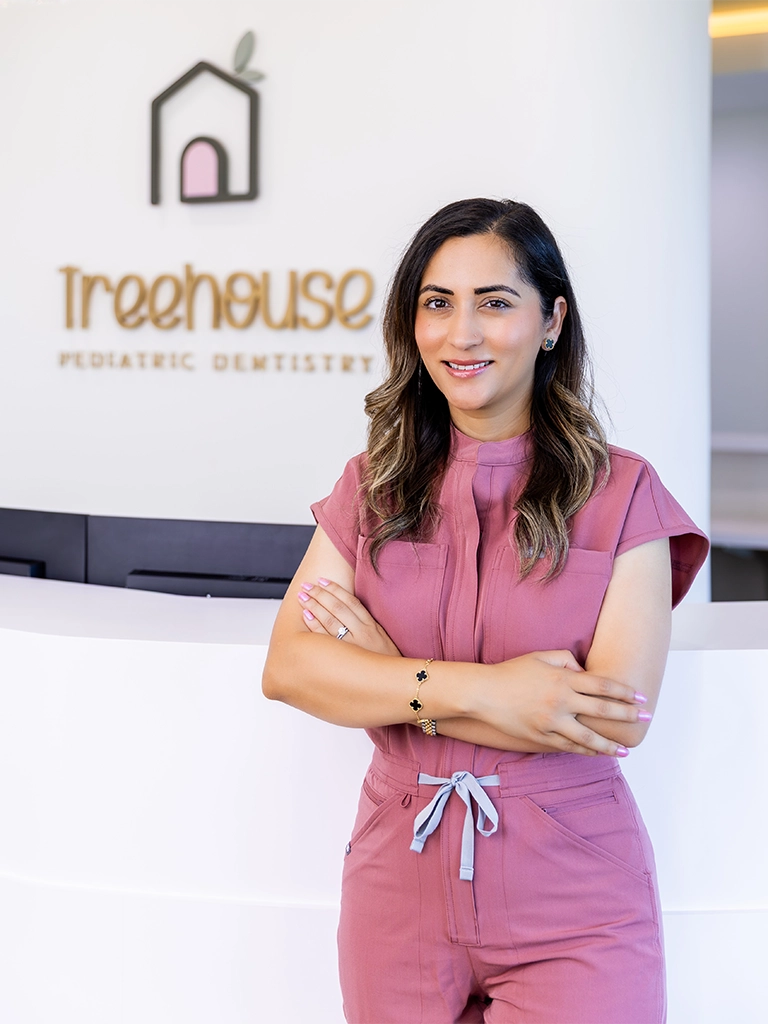
Dr. Sana Yousaf DDS
board certified pediatric dentist